
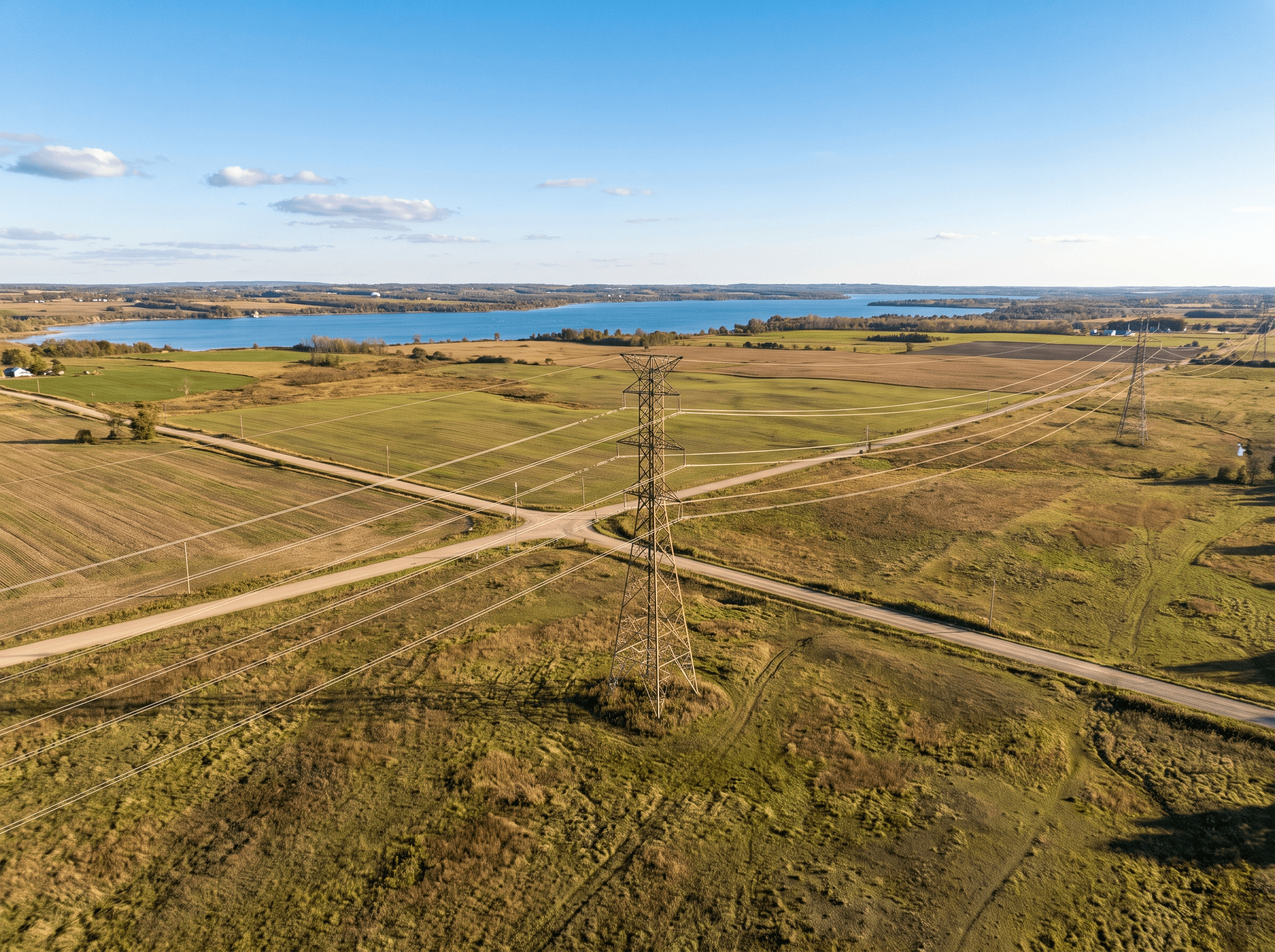
Four nuclear reactors at Pickering Nuclear Generating Station are scheduled to shut down at the end of this month. These are the Pickering B units, built in the 1970s and 80s at what's now Canada's oldest commercial nuclear plant. Between them they generate 2,100 megawatts, roughly a tenth of Ontario's electricity, at some of the lowest cost on the grid.
They aren't shutting down because anything's wrong. Ontario approved a $26.8-billion refurbishment of those reactors last November, meant to keep them running for decades longer instead of retiring them. The reactors have to come offline for that work to happen, with the heaviest construction starting in 2027 and running until the mid-2030s. Either way, that's most of a decade with 2,100 megawatts of cheap power missing from the grid.
Why the Concern Is Price, Not Supply
Ontario's grid operator, the IESO, says the province can handle the shortfall. Its latest Reliability Outlook points to more than 1,000 MW of new capacity added since last summer and battery storage that's more than tripled. The energy isn't the concern here.
What's affected is the price. A forecast used to help set Ontario's electricity rates already prices this in. Wholesale power averaged $55 per megawatt hour, roughly 5.5 cents per kWh, this past winter. By the same months next year, once Pickering's reactors are offline, it's expected to climb to about $95 per megawatt hour, a 71% increase.
The report names the reactors going offline as the main reason for that jump. Other smaller reasons include the province's carbon charge on gas-fired power, and the market price of natural gas itself, which is also climbing. That wholesale number isn't what shows up on a homeowner's bill, but it's one of the inputs used to set the rate that does.
What It Means for Homeowners' Bills
Some of this has already landed. Ontario's Regulated Price Plan rates rose 29 to 30% this past November, the biggest jump since 2019. The province raised its Electricity Rebate to 23.5%, which cuts about $36 a month off a typical 700 kWh bill. Even with that offset, the typical household is still paying more than it was before November.
Ontario Power Generation, the utility that owns and runs Pickering and the rest of the province's nuclear plants, has applied to the OEB for a 72.6% increase in what it's paid for nuclear generation, covering 2027 through 2031, to help fund both the Pickering work and new reactors at Darlington. Its own estimate puts that at roughly 2.4% added to a typical residential bill every year for five years straight. The OEB hasn't ruled on it yet.
For anyone selling solar in Ontario, the reactors going offline are already scheduled, and the rate case tied to their refurbishment is already filed. So a customer comparing the cost of solar against staying on the grid is comparing it to a number that's on track to keep climbing, not one that is staying still.